
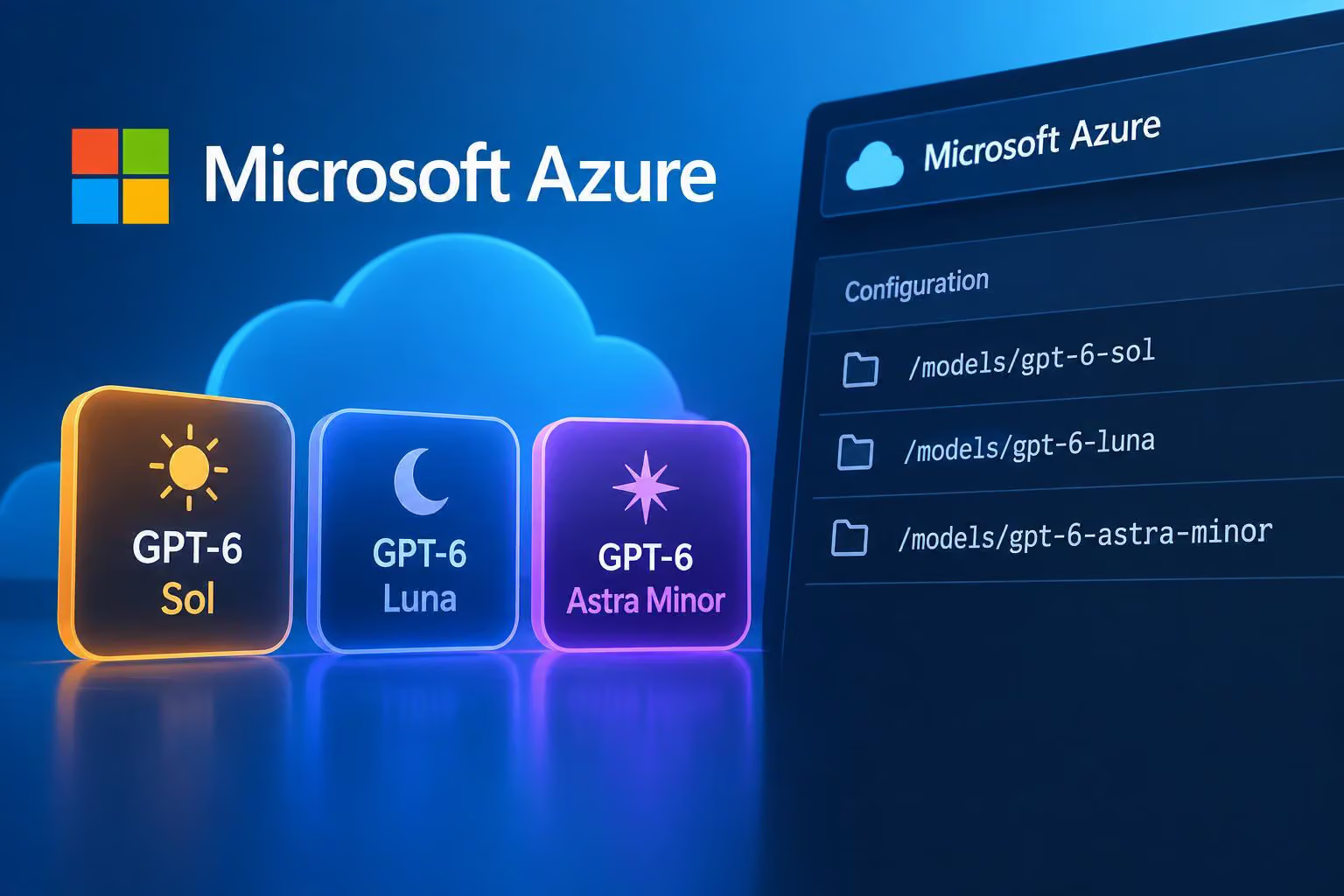
An unverified post on X points to an attached screenshot that appears to show GPT-6 Sol, GPT-6 Luna and GPT-6 Astra Minor in a Microsoft Azure configuration excerpt. The image supports only the narrower observation that those names appear in registry-style paths; it does not establish that the models have launched, are functional or are available to subscribers.
The post also discusses GPT-5.6 Sol and mentions a possible Opus 5.5 release. The supplied evidence contains no Microsoft or OpenAI confirmation of a GPT-6 release or launch date.
What the X post reports
In a post on X, @bridgemindai says there could be a “double drop”: an Opus 5.5 release alongside the reported appearance of GPT-6 Sol, GPT-6 Luna and GPT-6 Astra Minor in Microsoft’s Azure configuration.
The post interprets the reported change as evidence that a replacement for GPT-5.6 Sol may be ready. It also suggests that the models could eventually be usable through existing subscriptions. Those are predictions in the post, not confirmed release details.
What the attached Azure configuration appears to show
The screenshot appears to show entries formatted as Azure ML registry paths, including:
azureml://registries/azure-openai/models/gpt-6-solazureml://registries/azure-openai/models/gpt-6-lunaazureml://registries/azure-openai/models/gpt-6-astra-minor
The visible excerpt places the three names alongside other model-style entries, including GPT-5.5 and GPT-5.6 Sol. That supports describing the image as a configuration or registry excerpt containing those names.
The image does not show what the entries do. It does not establish whether they refer to public models, internal references, experiments, placeholders or active deployments. The screenshot’s authenticity, provenance and creation time cannot be established from the supplied material, and it is unknown whether the listed entries are current or functional.
Why a registry entry is not the same as public availability
A name in a configuration can indicate that software is prepared to recognize a model or resource. By itself, it does not demonstrate that customers can select the model, send requests to it or access it through a subscription.
The screenshot provides no capabilities, pricing, access rules, geographic availability or release date for the three reported GPT-6 names. It also does not show that the models are ready for general use. Those details would require an official announcement or additional supporting documentation.
What the post says about GPT-5.6 Sol
The post says GPT-5.6 Sol was demoted to “workhorse” in the same commit. It does not define that label or explain how it would affect users. The screenshot’s apparent gpt-5.6-sol path likewise does not show that the model was replaced, withdrawn or moved to a particular tier.
The reported “workhorse” description therefore cannot establish that any GPT-6 model is available as a replacement. It is an interpretation of the change, not evidence of a confirmed product transition.
The separate Opus 5.5 mention
The post also mentions Opus 5.5, describing it as a possible release on the same day. The attached screenshot shows Azure-style entries with GPT names and provides no supporting details about Opus 5.5.
The Opus 5.5 reference therefore does not establish a connection with the reported GPT-6 entries. The post’s timing and release prediction remain unconfirmed.
Has Microsoft or OpenAI confirmed a release?
The supplied evidence contains no Microsoft or OpenAI confirmation of GPT-6 Sol, GPT-6 Luna, GPT-6 Astra Minor or a release date. The screenshot does not turn the names into an announcement, and it does not confirm public availability, capabilities or subscription access.
The supplied X reading is truncated, and the article linked from the post could not be read. For now, the image supports only the observation that three GPT-6-style names appear in what looks like a Microsoft Azure registry configuration excerpt. Whether those names represent planned products, internal testing, placeholders or something else remains unresolved.

0 comments
No approved comments yet. You can start the conversation.
Leave a comment