
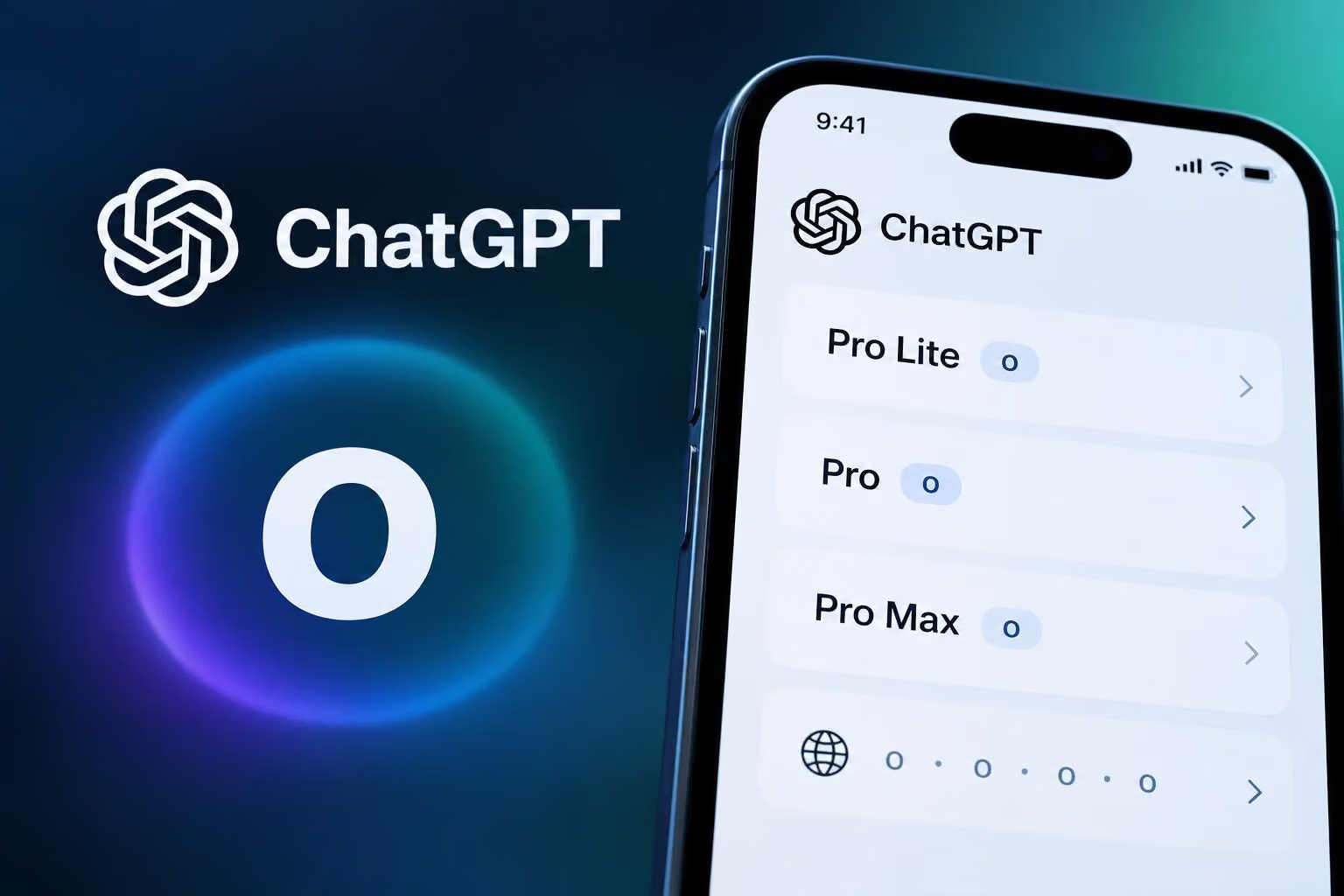
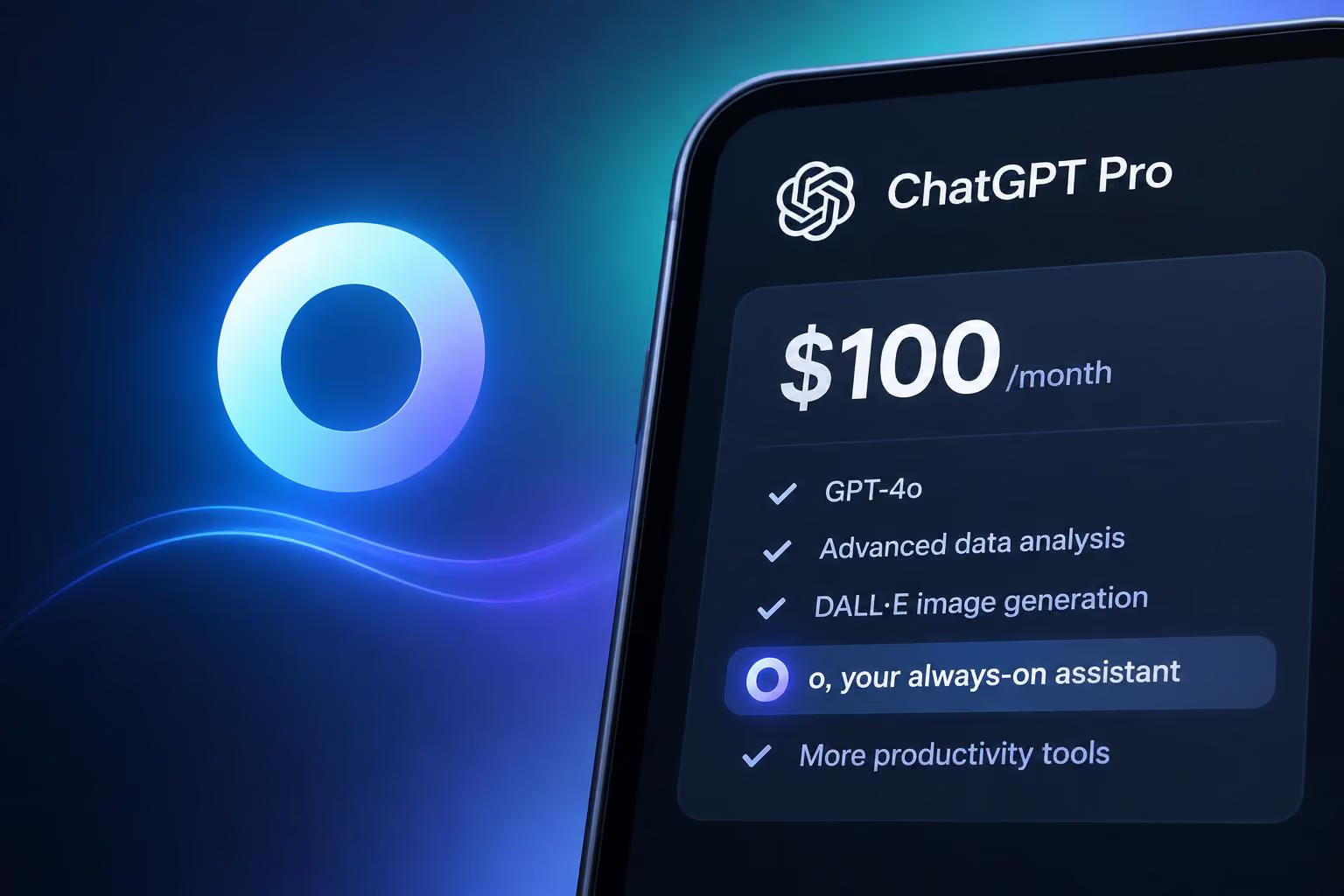
A post from @chetaslua reports that lowercase “o” appears in ChatGPT code and describes it as the assistant’s product name. The attached screenshot appears to show the name in strings connected with ChatGPT’s iOS pricing page, including references to the Pro Lite, Pro and Pro Max tiers and localized snippets in which the letter “o” remains unchanged.
That is evidence of product wording appearing in code, not confirmation that OpenAI has launched an “o” assistant, made it available to users or announced what it does.
What the report says about OpenAI’s lowercase “o”
The post includes a translator note rendering one reported string as: “Lowercase o is the assistant’s product name.” The supplied screenshot also visibly shows that English sentence. Another visible string describes “o” as an “always-on assistant.”
The wording suggests that “o” is being used as a product or assistant name in the reported code. It does not identify a model, explain the assistant’s capabilities or establish whether the text belongs to a feature that users can currently access.
What the attached code screenshot appears to show
The screenshot shows JavaScript-style product strings that refer to benefits on an iOS pricing page. One visible line includes “o, your always-on assistant,” followed by the sentence identifying lowercase “o” as the assistant’s product name.
Other visible strings mention benefits shared by Pro tiers, as well as separate items such as work and Codex usage, file storage and early access to new features. Those neighboring strings show the context in which the “o” wording appears, but they do not independently establish that every listed benefit is currently available or that the screenshot reflects a live user-facing rollout.
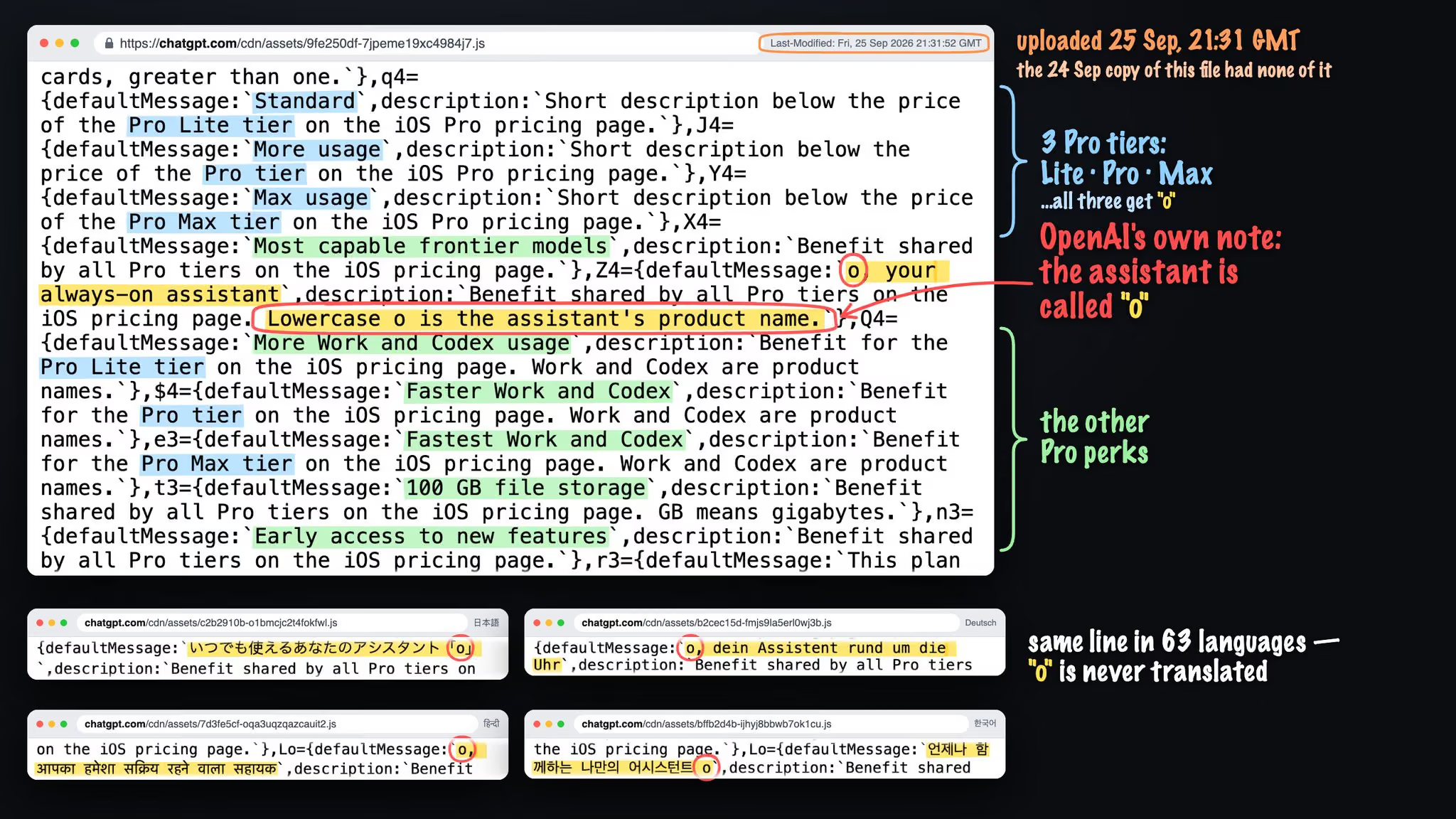
Image credit: @chetaslua on X
The screenshot also contains colored annotations interpreting parts of the code. The underlying visible strings and the annotations should be treated separately: the strings are the reported evidence, while the annotations are an interpretation added to the image.
The three reported Pro tiers and the 63-language detail
The post says that all three Pro tiers receive “o,” including the tier described in the post as costing $100. The screenshot labels the tiers as Lite, Pro and Max and shows “o” alongside text describing benefits shared by the Pro tiers.
This supports a limited description: the reported code associates the name with three tier labels. It does not confirm the current names, prices, purchasing status or access rules for those plans. It also does not show that subscribers can use an assistant called “o” today.
The post additionally reports that the wording appears in 63 languages. The supplied screenshot shows a small number of localized snippets, including examples where the lowercase “o” remains unchanged. It does not provide the complete language list or explain whether the number refers to supported interface translations, planned strings or another internal count.
What the evidence does—and does not—confirm
The reported post and screenshot indicate that:
a social-media post reports lowercase “o” in ChatGPT-related code;
the screenshot visibly includes the phrases “o, your always-on assistant” and “Lowercase o is the assistant’s product name”;
the visible code includes references to Lite, Pro and Max tier labels; and
the post reports that the name appears across 63 languages.
They do not establish:
that OpenAI has officially announced an “o” assistant;
that the assistant has launched or is available to subscribers;
what model powers it or what capabilities it would provide;
whether the tier references describe current purchasable plans;
when the code was deployed or whether it is active in the user-facing product; or
whether the 63-language figure refers to a finalized feature.
Product text can appear in an application before a feature is publicly released. It can support a report about what developers appear to be preparing or testing, but code strings alone do not prove that a feature is enabled, complete or accessible to customers.
What to watch for next
The strongest confirmation would come from an official OpenAI announcement, a live ChatGPT interface that clearly exposes “o,” or documented access and behavior that can be checked by users. Pricing or help pages could also clarify whether Lite, Pro and Max are current plans and what access each one provides.
Until that evidence appears, the most accurate description is that a single X post reports finding lowercase “o” in ChatGPT-related code and interprets it as an assistant product name. The report may point to planned or internal product language, but it does not by itself establish a public OpenAI launch.
0 comments
No approved comments yet. You can start the conversation.
Leave a comment