
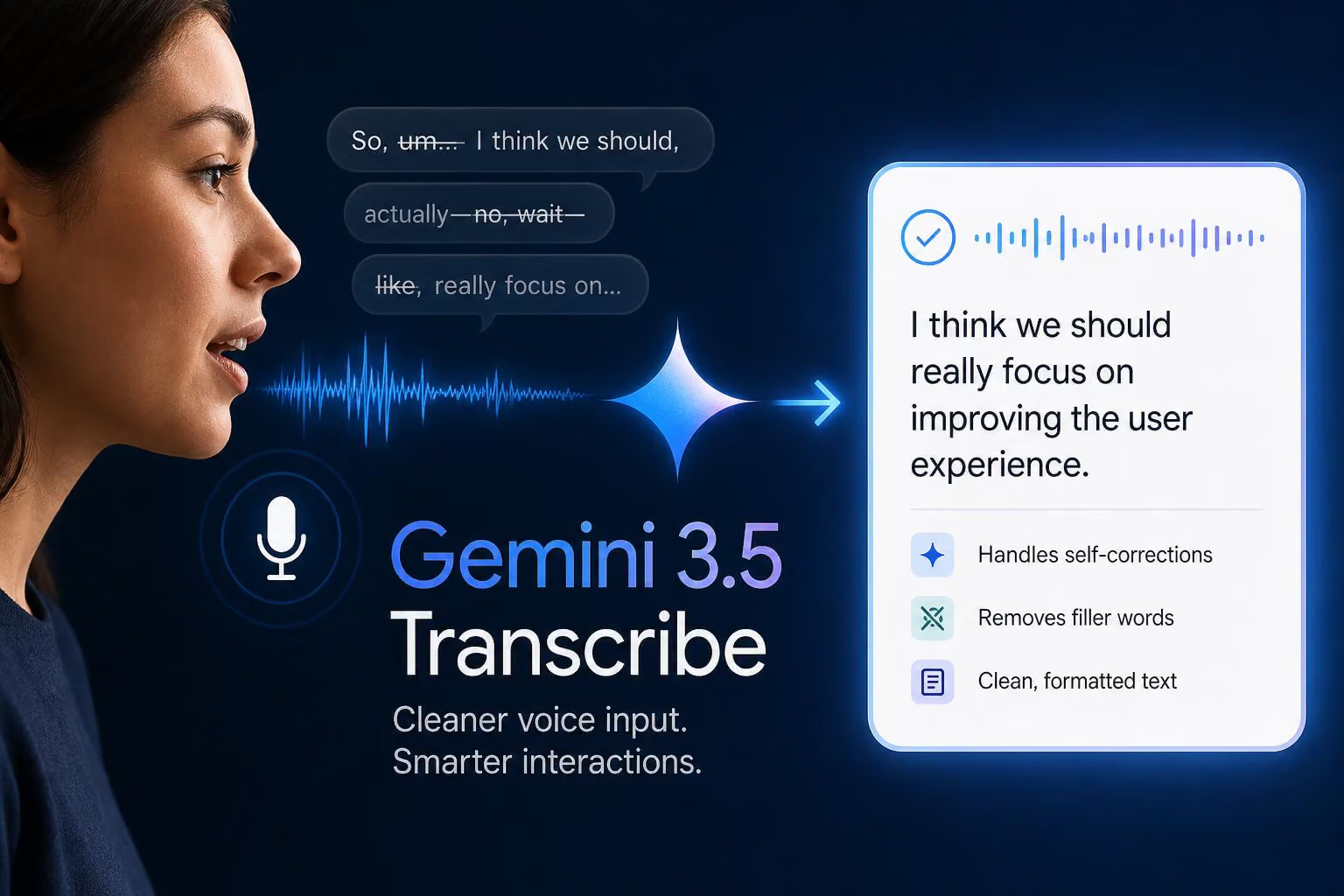
Gemini 3.5 Transcribe has been introduced as a speech-to-text model for intelligent voice interactions, with @GoogleAIStudio describing it as its most precise model yet. The post highlights the model’s ability to handle self-corrections, remove filler words, and produce clean, formatted text. It also says the model understands natural intent, but the supplied excerpt ends mid-sentence after mentioning “speaking…”, so no further detail is available from the announcement provided here.
Cleaner output from conversational speech
Most spoken input is not polished on the first attempt. People revise phrases, pause, and use filler words as they formulate what they want to say. The announcement says the model is designed to handle self-corrections and remove filler words, suggesting it aims to return text that reflects a speaker’s intended message rather than every rough edge in delivery.
That could reduce the cleanup needed before a transcript is shown to a user or passed into a voice workflow. The post’s emphasis on “clean, formatted text” points to usability as a central part of the model’s pitch, not just the conversion of audio into words.
Built around intelligent voice interactions
The post positions the model for intelligent voice interactions rather than describing it only as a general transcription tool. Its reference to understanding natural intent points toward voice systems that need to account for what a person means while speaking, although the supplied text does not explain how that capability works.
The concrete promise in the announcement is therefore focused: cleaner, formatted text from speech that includes self-corrections and filler words, alongside a stated emphasis on natural intent in voice interactions.


0 comments
No approved comments yet. You can start the conversation.
Leave a comment