
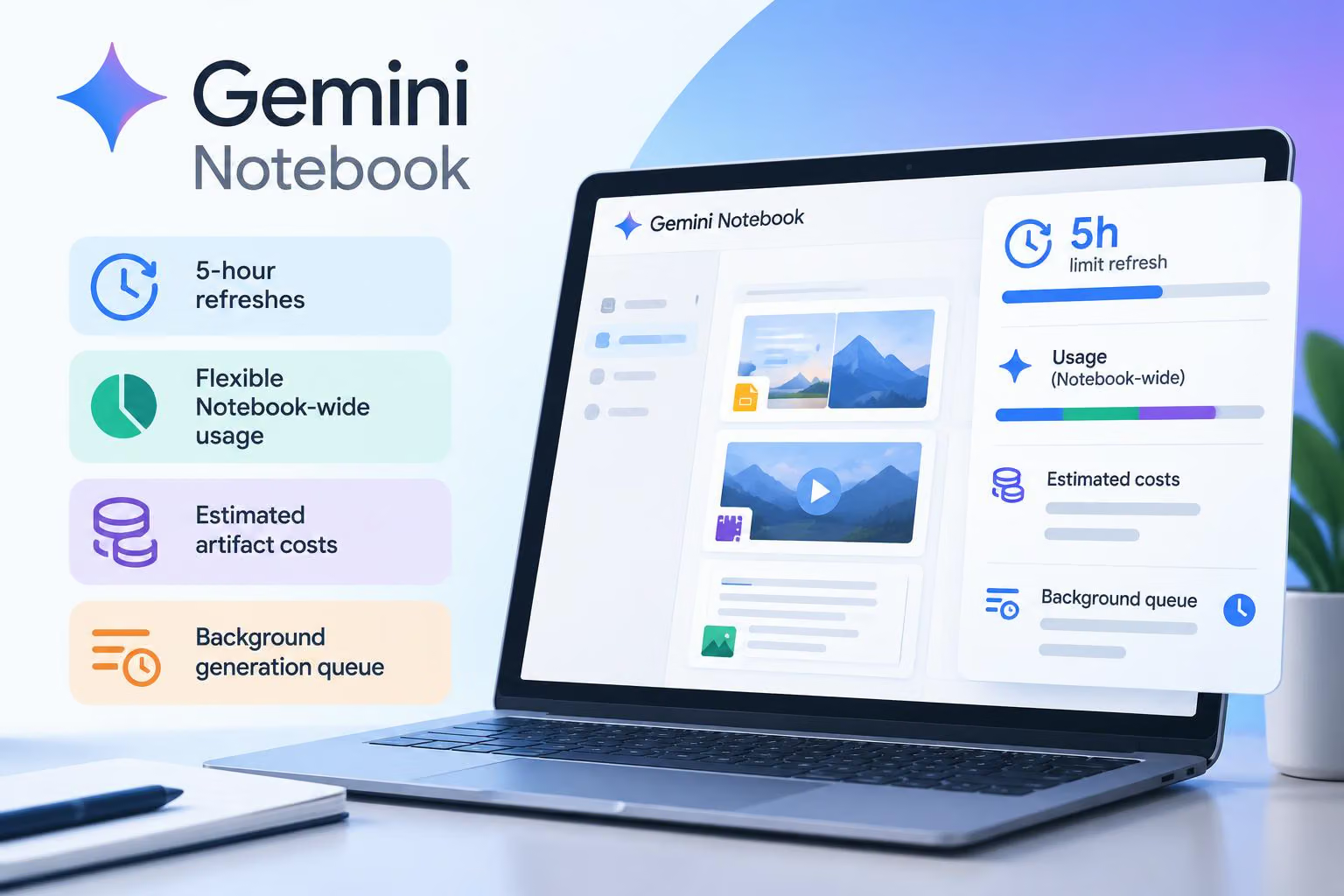
In a post on X, @testingcatalog reports that Gemini Notebook is getting a new usage system built around five-hour limit refreshes, a flexible Notebook-specific allocation, estimated usage for artifact generation and a background queue for work users defer. The supplied post is not itself a Google announcement, so it does not establish exact quotas, account eligibility or broad availability.
The reported changes would affect how users plan AI-generated artifacts such as slides and videos. They describe a usage model in which limits refresh more often, spending is shared across Notebook features and some generation requests can be deferred when the current allocation is unavailable.
What the reported Gemini Notebook usage limits change
The report describes four connected changes:
Limits would refresh every five hours rather than every 24 hours.
Feature-specific limits would be replaced by a flexible limit for Gemini Notebook.
The interface would estimate how much an artifact-generation request uses.
Users who are out of limits could defer some generations to a background queue.
Together, these changes suggest a shift from managing separate feature allowances toward managing a shared allocation that is replenished more often. The post does not specify how large that allocation is or whether the same rules apply to every account.
Limits would refresh every five hours
According to the report, Gemini Notebook limits would refresh every five hours instead of every 24 hours. That would divide usage into more frequent refresh periods, potentially giving users more opportunities to resume work during the day rather than waiting for a single daily reset.
However, the five-hour interval alone does not explain the practical quota. The report provides no number for the amount of usage available in each period, and it does not say whether the refresh applies to all Notebook features or only to the reported system. It also does not provide rollout timing.
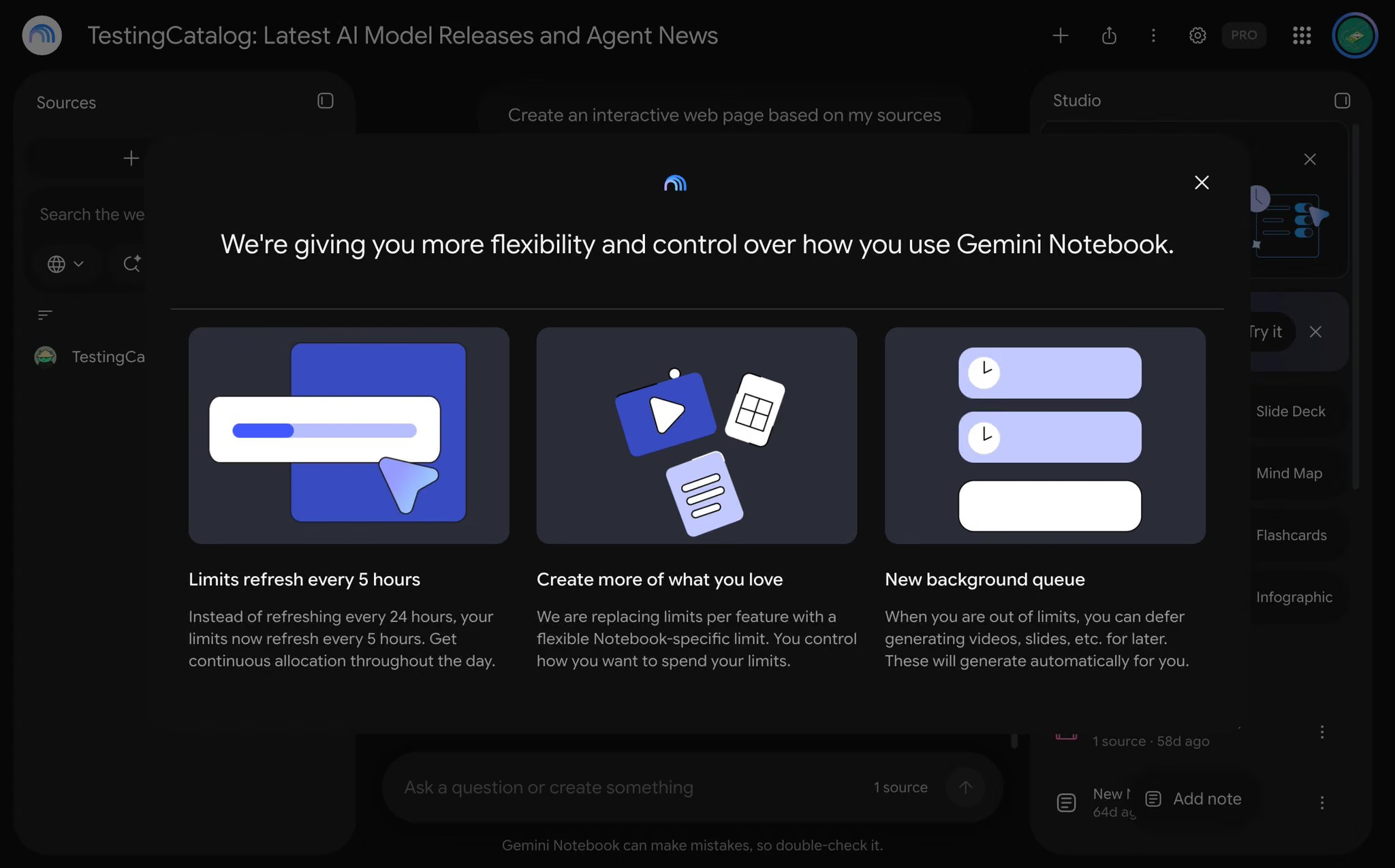
Image credit: @testingcatalog on X
One flexible Notebook allocation would replace feature-specific limits
The report also says Gemini Notebook is replacing limits assigned per feature with a flexible Notebook-specific limit. In practical terms, that would let users decide how to spend a shared allocation instead of receiving separate allowances for individual generation tools.
That could make the system easier to understand when users switch between artifact types. Someone creating a slide deck, for example, would be spending from the same Notebook-level allocation described in the report rather than checking a separate limit for every feature. The report does not establish whether all artifact types draw from exactly the same pool, however, or how the allocation is calculated.
Usage estimation and the background queue
A screenshot shared with the report shows an “AI Usage” indicator that distinguishes “Already used” from “Estimated use.” It also shows “Generate later” and “Generate now” controls. A tooltip associated with the deferred option says it does not use the current limit, costs less and will be ready in hours.
This suggests that Gemini Notebook may show an estimate before a user starts an artifact-generation task. The report does not explain how the estimate is calculated, how much usage a particular artifact consumes or whether the estimate changes based on the selected format, length or other settings.
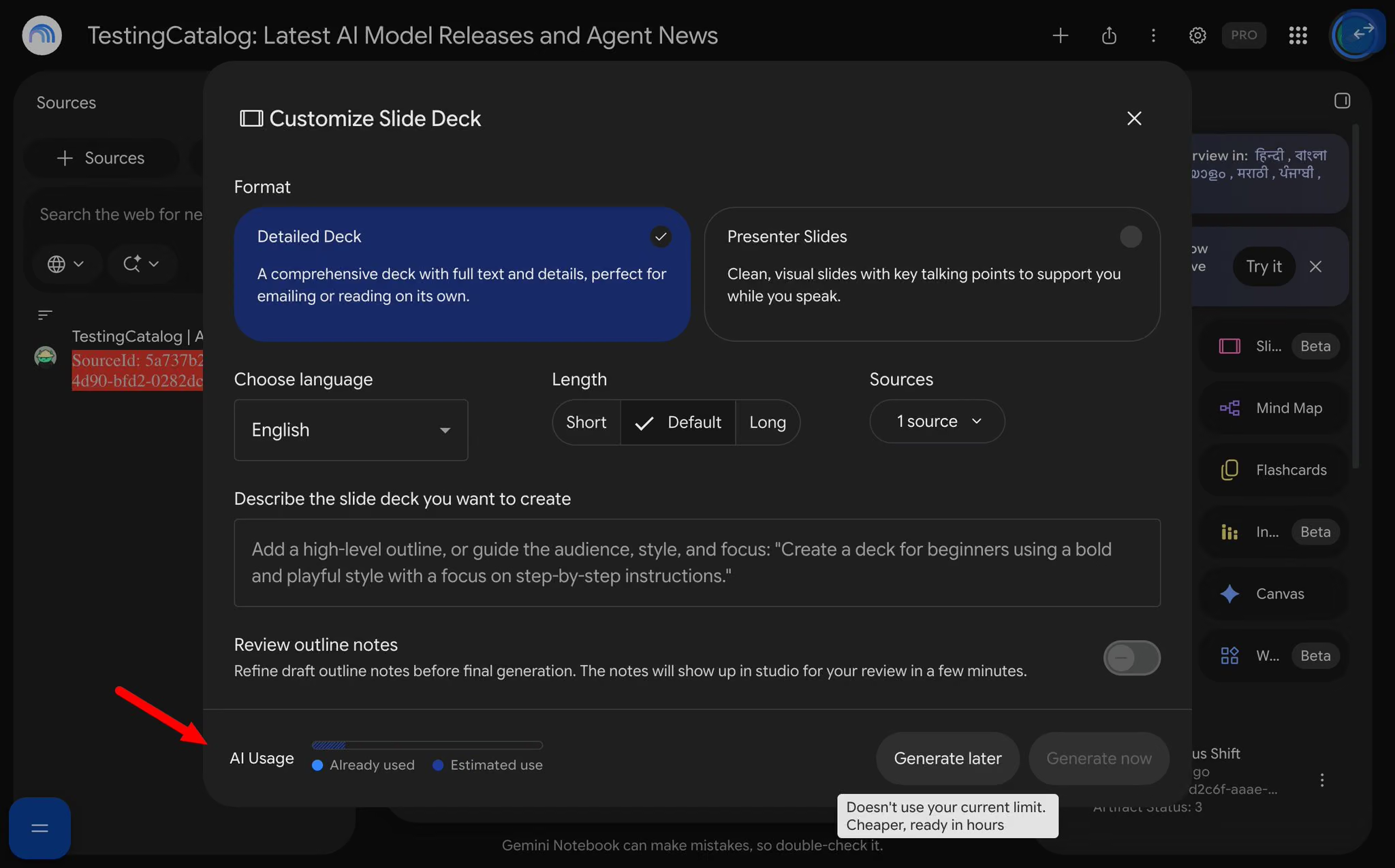
Image credit: @testingcatalog on X
The same report describes a background queue for times when a user is out of limits. Users could defer generations such as videos and slides, with those tasks then generating automatically later. This would separate the decision to request an artifact from the point at which the system has enough available capacity to generate it.
The report does not say how long queued work takes, whether users can cancel it, how completion is communicated or which artifact types are supported. “Ready in hours” appears in the tooltip, but it should not be treated as a guaranteed completion time for every request.
What the report does not establish
The post describes a possible change to Gemini Notebook’s usage and generation workflow, but it does not establish that the reported system is available to every user. It also does not establish:
The number of available requests or generation units
Pricing or account-tier differences
Which users are eligible
When the changes will roll out
Whether the features are available worldwide or to all Gemini Notebook accounts
The exact formula behind usage estimates
Queue timing, cancellation, notifications or the complete list of supported artifact types
For now, the clearest supported takeaway is that the reported design would combine more frequent limit refreshes with a shared Notebook allocation and an option to defer artifact generation. Users should treat the screenshots and report as evidence of the described interface concepts, not as confirmation that the same limits or queue behavior are available on every account.


0 comments
No approved comments yet. You can start the conversation.
Leave a comment