
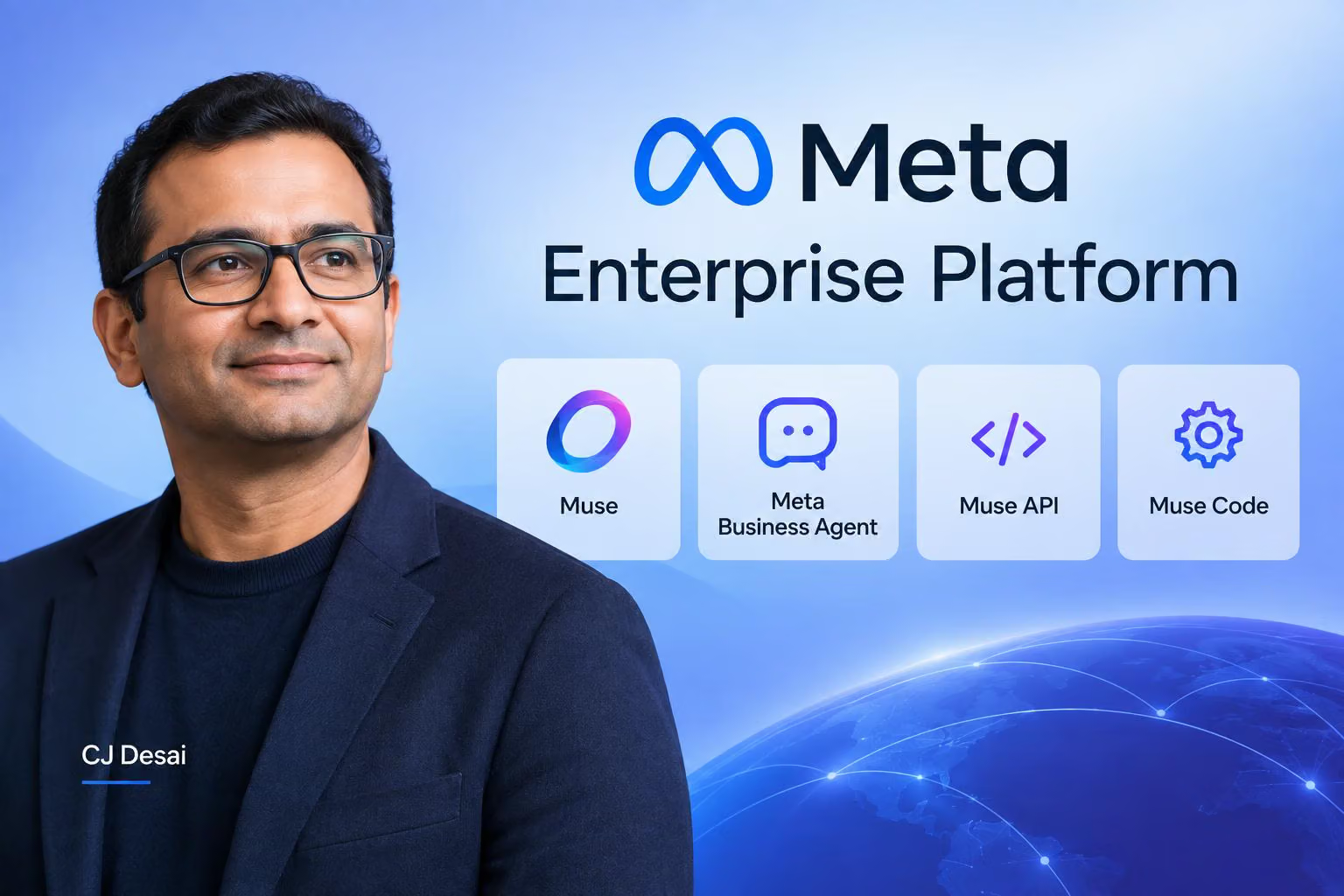
In a post on X published under @finkd, Meta announced Meta Enterprise Platform, a new business and developer initiative intended to bring its AI models, agents and infrastructure to companies. The announcement does not establish that the platform is already available or provide details about pricing, access or product readiness.
What Meta announced with Enterprise Platform
Meta describes Enterprise Platform as a new major pillar of its business focused on helping companies use AI to grow and transform their operations. The company says the initiative will build on its experience serving large numbers of people and businesses.
Meta also says the platform will combine several parts of its technology stack, including advanced models, agents and large-scale infrastructure. The announcement does not explain how those components will be packaged into a single platform or how Enterprise Platform will differ from Meta’s existing business products.
The products Meta named
Meta says its initial focus will include bringing the following products and services to businesses and developers:
Muse agent
Meta Business Agent
Muse API
Muse Code
The post names these offerings but does not describe their individual functions, supported platforms, technical requirements or commercial terms. It also does not say whether they will launch together, be offered separately or be available to the same groups of customers.
That makes the announcement an outline of Meta’s intended enterprise AI direction rather than a product specification. Businesses and developers know which names Meta is associating with the initiative, but not yet what they will be able to access or build with them.
Will the platform serve businesses and developers?
Meta explicitly names both businesses and developers as the intended audiences for its initial technology stack. The announcement says the products are meant to help them grow, but it does not provide customer examples, use cases or technical details showing how either group would use the offerings.
It also leaves the relationship between the named products unresolved. The post does not say whether Muse, Meta Business Agent, Muse API and Muse Code will form one bundled platform, serve different users or be released on separate schedules.
Who will lead Meta Enterprise Platform?
The post says Chirantan “CJ” Desai will join Meta as Chief Enterprise Platform Officer and report directly to its author. Meta describes Desai as an experienced enterprise leader with a background spanning full-stack software, AI, infrastructure, business applications and security.
According to the post, Desai is joining Meta from MongoDB, where he was CEO and president. Before MongoDB, Meta says he led product and engineering at Cloudflare and spent nearly eight years at ServiceNow, including time as president and chief operating officer.
The appointment identifies the executive responsible for the initiative, but the announcement does not provide an organizational structure, launch schedule or specific responsibilities beyond leading the effort.
What the announcement does not establish
The supplied announcement does not provide:
A launch date or rollout schedule
Current availability or access requirements
Pricing or packaging details
Technical capabilities for Muse, Meta Business Agent, Muse API or Muse Code
Named customers or deployment examples
Measured business results
A detailed explanation of how the products will work together
Meta also frames the initiative within its broader view that superintelligence could create new opportunities for people and businesses. The post does not define superintelligence, provide a timeline for that outlook or offer evidence of business results from Enterprise Platform.
For now, Meta Enterprise Platform is best understood as an announced business and developer direction. Meta has identified the technology areas, named an initial group of products and appointed a leader, while leaving the practical details of availability and use for a later update.


0 comments
No approved comments yet. You can start the conversation.
Leave a comment